

A friend of mine from church recently had a baby, and I signed up to bring her a meal. This gave me the perfect excuse to make a huge batch of butter chicken (but do you really need an excuse to make butter chicken?), and to make a new recipe I had never tried before: matcha brownies. I found a simple recipe online and whipped up a batch. They were easy to make; instead of cocoa powder, you use matcha instead. I used Rishi Tea’s Everyday Matcha for these. Here’s a link to the Rishi store if you want to look into buying some for yourself. This isn’t an affiliate link or anything; I’m just sharing good matcha! https://www.rishi-tea.com/products/organic-everday-matcha-tin?variant=44376693047546
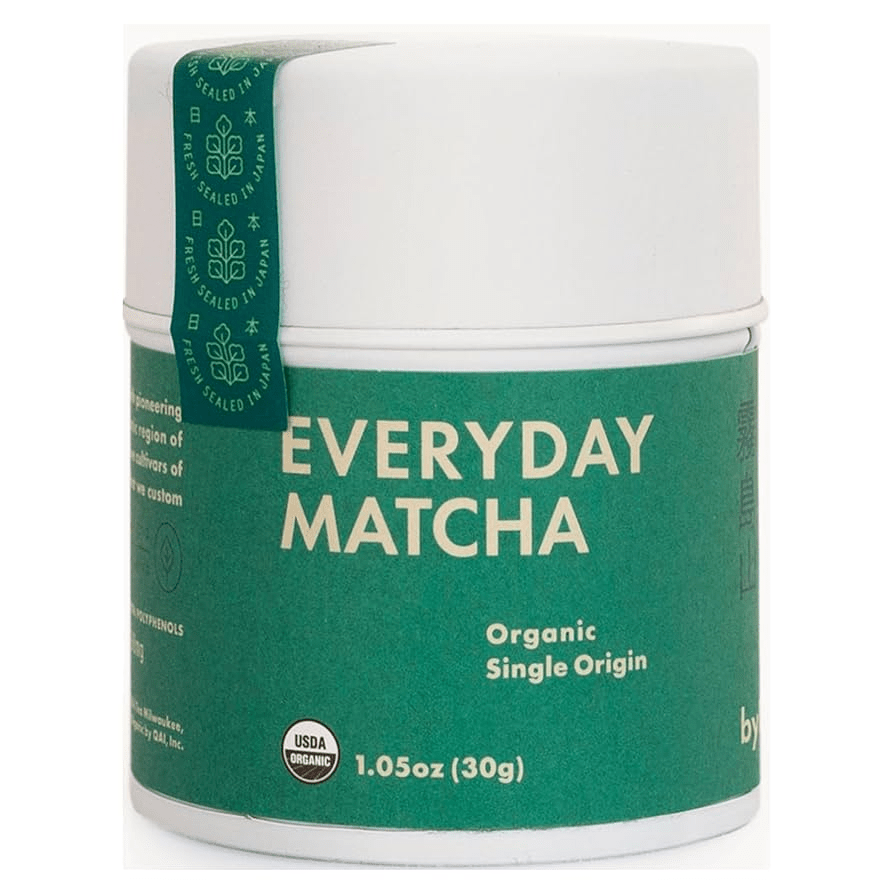
It’s light, sweet, and floral, not bitter, but with a slight earthy taste. It’s really good, and a million times better than the matcha I was drinking before- matcha from the bulk jar section of the health food store (I’ll get more into the difference between these two matchas later).
Here’s how the brownies turned out. Fudgy, chewy, lightly matcha flavored, with hints of chocolate from chocolate chips mixed in. If matcha wasn’t so expensive, I’d be making these all the time!

Making these got me thinking about my grandma’s recipes (that I still need to finish organizing and taking pictures of). Fifty years ago, most middle class Americans probably had never heard of matcha, much less matcha brownies. I can search matcha brownies online and find dozens of recipes for them, while my great grandma swapped handwritten recipe cards with other women in her church and wider community. And yet, we still connect with other people with the food we make and share. I wonder if my great grandma would have liked matcha brownies? I like to think she would have.
These days, you can find matcha in most grocery stores. Most coffee shops have at least one matcha drink on their menu. Its become so popular that there is a matcha shortage. This, along with tariffs (at least in the US) has driven up the price of matcha to the extreme. I follow a matcha forum online, and matcha restocks are posted and talked about at least once a week, and the matcha is sold out within minutes. People are paying $50 for a couple ounces of good quality matcha from sellers in Japan (not counting the taxes or shipping). How did we get here?

In the 1100s, a Japanese Buddhist monk named Eisai brought back tea from China. The Chinese had been preparing tea by making the leaves into a powder and whisking with water to make a drink, and this practice soon spread through Japan as well. Matcha is a green tea powder, made from leaves of plants grown in the shade. Some of the best matchas are produced by hand; the leaves picked from the plant, deveined, and then meticulously ground into a powder. A good matcha will usually be bright green, with an earthy, savory taste. Lower quality matchas will be dull green, leaning towards brown, with a bitter, even fishy taste.
Matcha quickly became popular throughout Japan. Warriors drank it after a battle, and it was drunk in social gatherings. Over time, the tea ceremony came into being, with each aspect of preparing and drinking the tea respected and admired. Even today, the tea ceremony is important and special in Japan, connecting the tea drinker to Japan’s long history and unique culture and spirituality.
And now, because of global trade and the internet, matcha is enjoyed all over the world. So much so, that as I said before, there is a shortage of it and it can be very expensive to buy a small amount. It has become not just a part of Japanese culture and heritage, but an ingredient for brownies, made by some amateur baker in the middle of no-where Missouri. There are a lot of issues with having unfettered access to resources and news from all over the world at any time we want. But a good consequence to globalization is being able to find these unique ingredients and taste something from a totally different part of the world. I’m able to experiment with not only matcha, but other ingredients from thousands of miles away. Ingredients and food connect us, not only to our past, but also to the world around us.
Sources:
“How Matcha is Produced.” Breakaway Matcha. https://breakawaymatcha.com/blogs/masterclass-in-matcha/how-matcha-is-produced?srsltid=AfmBOopy-wGIxWFdVhTWL15UW5H8zGMb4DiuisM1XSFnR9kpYQQLEyIu.
“The History and Cultural Significance of Matcha.” Matcha Direct. https://matchadirect.kyoto/blogs/matcha-101/japanese-matcha-tea-history?srsltid=AfmBOopGZ3TxvAYJJaz4nnoE4OqoEiZ9VmbQfzmum2cSC6JtZdBuuAn8.

Leave a Reply